Weight Loss War: Eli Lilly's Zepbound Outperforms Novo Nordisk
The pharmaceutical landscape for weight management is undergoing a dramatic transformation, marked by intense competition and groundbreaking scientific advancements. In a recent development that has sent ripples through the industry, Eli Lilly’s Zepbound (tirzepatide) has not just entered the ring, but seemingly dominated it, putting significant pressure on established players. Its impressive efficacy has effectively overshadowed Novo Nordisk's latest offering, CagriSema, leading some analysts to critically label it an
obsolete weight loss drug even before its full market debut. This isn't just a battle for market share; it's a rapidly evolving war for supremacy, where innovation is King and yesterday’s breakthrough can quickly become today’s cautionary tale.
Zepbound's Ascendance: Setting a New Benchmark for Weight Loss
Eli Lilly's Zepbound, which contains the active compound tirzepatide, has rapidly positioned itself as the new frontrunner in the lucrative weight loss medication market. Its mechanism of action is a dual agonist, targeting both Glucagon-Like Peptide-1 (GLP-1) and Glucose-Dependent Insulinotropic Polypeptide (GIP) receptors. This unique combination appears to unlock unprecedented levels of weight reduction.
In pivotal clinical trials, Zepbound demonstrated an average weight loss of a remarkable 25.5% over 84 weeks. This figure has not only impressed the medical community but has also ignited fierce investor confidence, as evidenced by Eli Lilly's stock rising significantly in contrast to its competitor's struggles. For patients struggling with obesity, Zepbound represents a significant leap forward, offering a powerful new tool in their weight management journey. The data suggests that its dual-action approach provides a more comprehensive metabolic benefit, leading to greater satiety, improved glycemic control, and ultimately, superior weight loss compared to earlier generations of drugs.
Novo Nordisk's CagriSema: A "Swing and a Miss" in the Next-Gen Race
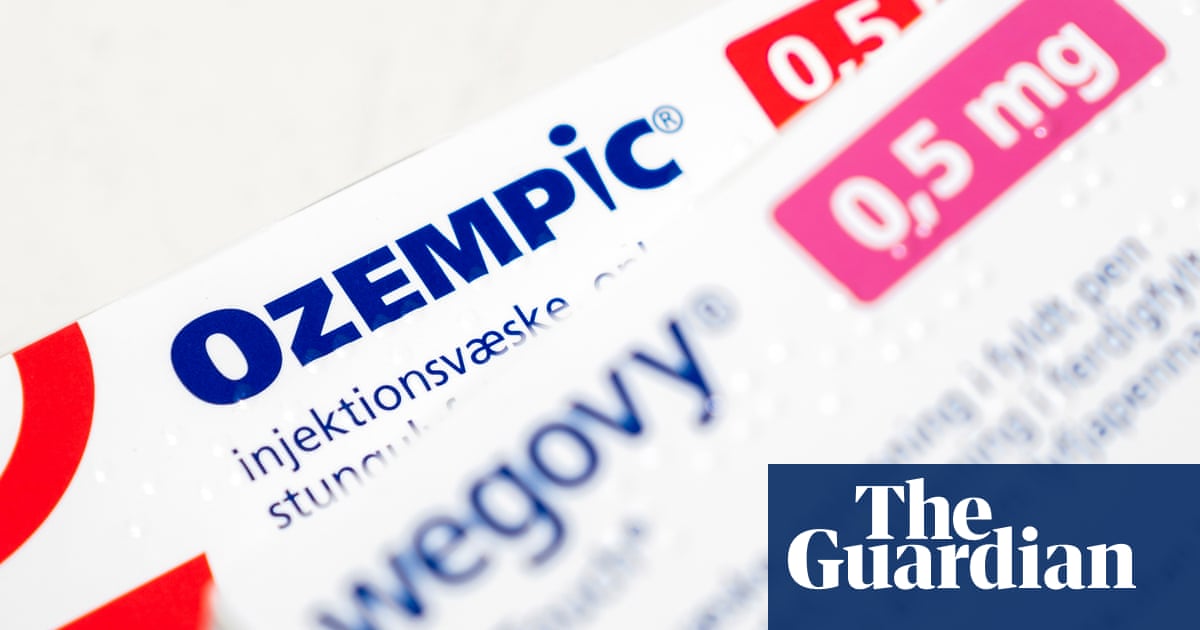
For years, Novo Nordisk, the maker of the widely popular Ozempic and Wegovy (semaglutide), was the undisputed leader, establishing the modern market for GLP-1 weight loss drugs. However, their latest next-generation treatment, CagriSema, has faced an unexpected and severe setback. CagriSema is a weekly injection designed to combine semaglutide with cagrilintide, a synthetic analogue of the pancreatic hormone amylin. The premise was that this dual-action approach—combining the appetite-suppressing power of GLP-1 with amylin's role in satiety and gastric emptying—would lead to even greater weight loss than semaglutide alone.
Unfortunately, the clinical trial results for CagriSema fell short of expectations. The trials revealed an average weight loss of 23% over 84 weeks, which, while substantial in its own right, was notably less than the 25.5% achieved by Eli Lilly’s Zepbound. Crucially, as Novo Nordisk itself acknowledged, "the study did not demonstrate non-inferiority on weight loss" compared to tirzepatide. This failure to meet the primary endpoint of being at least as effective as the leading competitor has been a massive blow.
Analysts have not minced words. Søren Løntoft Hansen, a senior analyst at AL Sydbank, characterized the results as “a swing and a miss.” Deutsche Bank analyst Emmanuel Papadakis went further, remarking that CagriSema now appears "somewhat obsolete" as a competitive upgrade or alternative. This significant efficacy gap has led analysts to deem CagriSema, once a promising contender, as an
obsolete weight loss drug even before its potential market launch. For a deeper dive into these trial results, read
Novo Nordisk's CagriSema Declared 'Obsolete' After Failed Trials.
The financial ramifications were immediate and severe. Novo Nordisk's shares plummeted 16.5% in Copenhagen, reaching their lowest value since June 2021. The company, which had enjoyed a meteoric rise to become Europe’s most valuable through booming sales, has been forced to repeatedly adjust its profit and sales estimates downward due to the increasing competitive pressure from Lilly’s products. UBS analysts had already cut their peak sales forecast for Novo's GLP-1 drugs, and these new results only reinforced their concerns, describing them as "significant negative" and "very unexpected."
Navigating the Market Shift: Implications for Novo Nordisk
The disappointment surrounding CagriSema has spurred a critical internal and external reevaluation of Novo Nordisk’s long-term strategy. Investors are increasingly vocal, calling on the Danish pharmaceutical giant to diversify its portfolio beyond the increasingly risky weight loss and diabetes sectors. As one investor bluntly put it, "Obesity and diabetes — it’s too risky to bet the entire company on these two franchises." Suggestions include pivoting towards other fields such as rare diseases and heart conditions, areas where medical innovation is also vital and potentially less saturated.
While Novo Nordisk CEO Mike Doustdar has defended CagriSema, expressing confidence in its potential as "the first amylin-based product" and claiming it will hold the best weight-loss label among existing treatments (excluding tirzepatide), the market's reaction clearly indicates skepticism. The challenge for Novo Nordisk now is twofold: either demonstrate a compelling unique value proposition for CagriSema despite its lower efficacy, or rapidly innovate a truly competitive next-generation drug. Failure to do so could see their market share continue to erode under the relentless assault from Eli Lilly. The calls for a strategic pivot underscore the high stakes involved for pharmaceutical giants in this dynamic sector. For further insights into Novo Nordisk's strategic dilemma, refer to
Novo Nordisk Faces Pivot Calls After CagriSema Market Setback.
Understanding the Science Behind Next-Gen Weight Loss
To appreciate the significance of Zepbound's outperformance, it's essential to understand the science behind these next-generation treatments.
- GLP-1 Agonists (e.g., Semaglutide in Ozempic/Wegovy): These drugs mimic the natural GLP-1 hormone, which signals satiety to the brain, slows gastric emptying, and stimulates insulin secretion, leading to reduced food intake and improved blood sugar control.
- GIP Agonists (e.g., part of Tirzepatide in Zepbound): GIP is another incretin hormone that works synergistically with GLP-1 to enhance insulin secretion and, importantly for weight loss, appears to have additional effects on fat metabolism and energy balance. Tirzepatide’s dual GLP-1 and GIP action is believed to be key to its superior efficacy, offering a more comprehensive metabolic intervention.
- Amylin Analogues (e.g., Cagrilintide in CagriSema): Amylin is a pancreatic hormone that co-secretes with insulin. It contributes to satiety, slows gastric emptying, and inhibits glucagon secretion. The idea behind cagrilintide was to add this satiety signal to semaglutide's GLP-1 action for enhanced weight loss.
The fact that CagriSema, despite combining semaglutide with an amylin mimetic, still fell short of Zepbound’s tirzepatide suggests that the GIP pathway activated by tirzepatide may play a more crucial role in achieving higher levels of weight loss than previously understood, or that the specific combination in CagriSema simply wasn't as synergistic as Lilly's dual agonist. This highlights the intricate complexity of metabolic regulation and the continuous learning curve in drug development.
What This Means for Patients and the Future of Weight Management
For individuals seeking effective weight loss solutions, the "Weight Loss War" between these pharmaceutical giants ultimately brings exciting prospects. The availability of increasingly potent medications like Zepbound offers hope to those for whom diet and exercise alone, or earlier drug therapies, have not been sufficient. Patients now have access to treatments that can facilitate significant, clinically meaningful weight loss, potentially leading to substantial improvements in overall health, including reduced risks of diabetes, cardiovascular disease, and other obesity-related complications.
However, it's crucial to remember that these medications are tools, not magic bullets. They are most effective when integrated into a comprehensive weight management plan that includes:
- Lifestyle Modifications: Sustainable dietary changes focusing on nutritious foods.
- Regular Physical Activity: Tailored exercise routines.
- Behavioral Support: Counseling or support groups to address underlying eating behaviors.
- Medical Supervision: Close monitoring by healthcare professionals to manage side effects and optimize treatment.
The rapid pace of innovation also means that what is considered state-of-the-art today could, in a few years, become an
obsolete weight loss drug as even more advanced therapies emerge. This constant evolution underscores the importance of ongoing research and development, ensuring that patients continue to benefit from new, safer, and more effective options. Consulting with a healthcare provider remains paramount to determine the most suitable treatment path based on individual health needs, risk factors, and financial considerations.
In conclusion, the weight loss pharmaceutical market is more dynamic than ever. Eli Lilly's Zepbound has unequivocally raised the bar, leaving Novo Nordisk's CagriSema in its wake and sparking intense debate about its future. This shift highlights the unforgiving nature of pharmaceutical innovation, where even a promising new drug can be quickly deemed an
obsolete weight loss drug by market forces if it fails to surpass the competition. While this creates strategic challenges for pharmaceutical companies, it ultimately benefits patients by driving the development of increasingly effective solutions in the ongoing battle against obesity.